

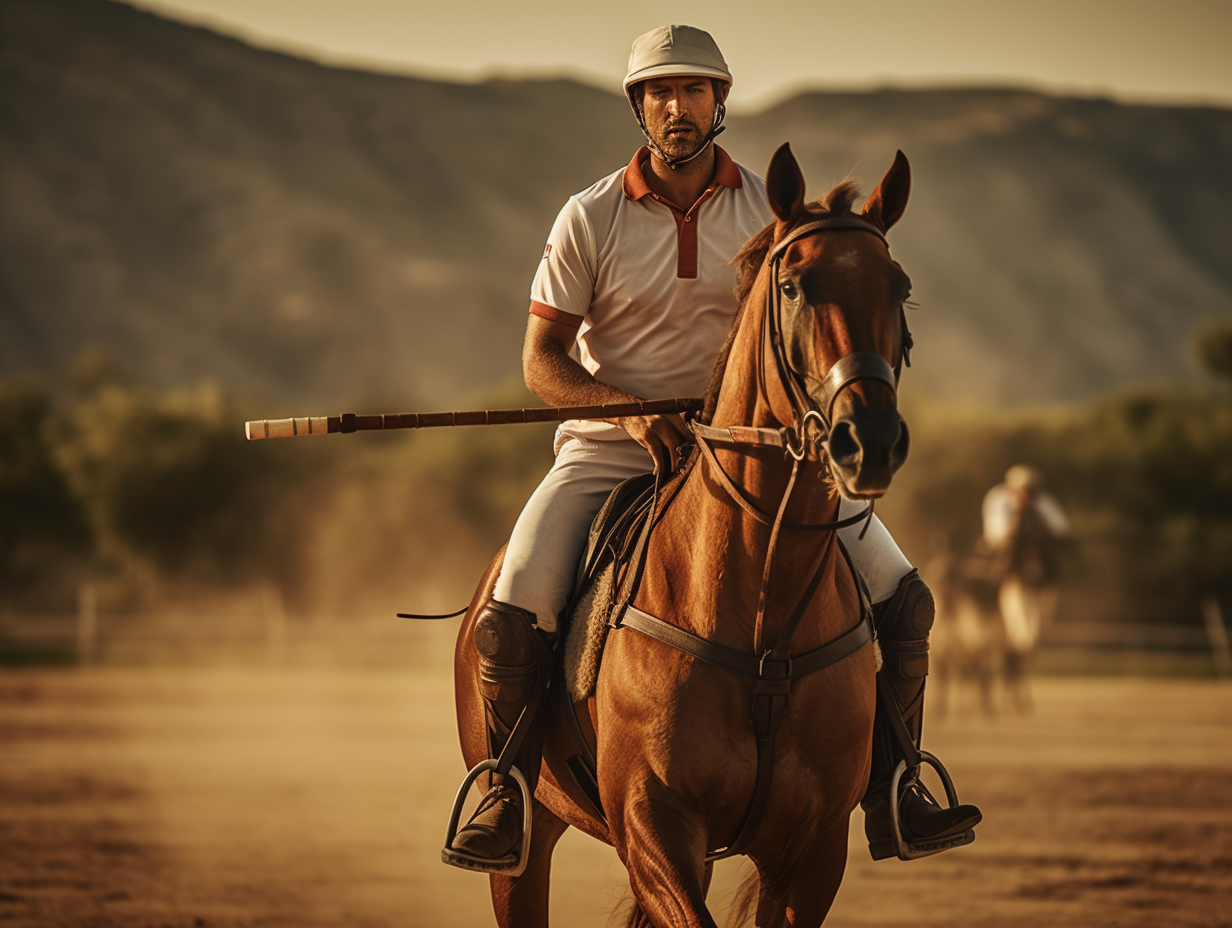
Polo is an equestrian team sport that involves players riding horses to hit a ball with a long-handled mallet down a grass field in an attempt to score goals. It is often referred to as “the sport of kings” due to its association with royalty and the elite. Modern polo features riders and horses at the peak of athleticism. However, polo’s demands on its equine athletes have raised ethical concerns over the treatment and welfare of polo horses.
History of Polo and Horse Use
Polo originated among Persian nobility as early as the 6th century BCE. From Persia, the sport spread to other Asian empires before reaching England in the 19th century and the United States in the late 1800s. Historically, polo horses were viewed as equipment or possessions in service to human athletes. Caring for their well-being beyond functional use was not a priority. Perspectives on animal welfare have evolved, but modern polo culture is still heavily influenced by its history of perceiving horses as tools.
Polo Horse Breeding and Training Methods
Specialized polo horse breeding programs prioritize traits like acceleration, agility, and high stamina. Common breeds include the American Quarter Horse and Thoroughbreds retired from racing. Training begins young, with some starting under saddle as yearlings. Methods involve repetitive drilling to condition responses, which improves performance but is mentally taxing. Hard hits from mallets and other horses are introduced to accustom them to polo’s physicality. Proper training development allows horses five years until their competitive peak at age 6-7, followed by declining capability each season.
Injuries and Physical Strain on Polo Horses
The athletic prowess displayed in polo puts immense physical stress on horses. Polo horses expend tremendous energy sprinting, stopping, and turning abruptly at runs nearing 40 mph while carrying over 200 pounds with a rider and gear. Their small hoof surface area compared to body mass compounds joint strain and risk of lameness or fractures. Serious injuries do occur in polo, although concussion protocols and monitoring for overt signs of distress aim to avoid pushing an unfit or hurt horse in play. However, cumulative strain and chronic pain often go undetected.
Polo Horse Retirement and End of Life
Elite polo horses that survive athletic careers typically retire around age 12. Their value diminishes, making continued upkeep unrealistic absent personal attachment by owners. Some transition to pleasure riding, while many face uncertain futures. For a subset permanently injured early on, prospects are poorer without established rideability. Unfortunately, once past their short viable sporting lifespan, a portion of former polo horses meet tragic, premature deaths from inadequate post-retirement planning. Learn more about polo on the website polo-kirill-yurovskiy.co.uk
Calls for Reform of Polo Horse Treatment
Accusations that overwork and undercare undermine welfare have dogged polo for generations. Recent disasters like 2018’s mass death of Argentine polo horses spurred renewed outcries. Animal rights proponents demand change based on ethical objections to horses’ status as disposable, non-consenting performers. They cite overbreeding, intense training ages, lack of oversight into retirement paths for injured or worn-out horses, and the overall absence of horses’ best interest as exploitation.
Polo Associations’ Stance on Horse Welfare
Polo governing bodies proclaim dedication to horse welfare, although some critiques argue policies lag behind principle. For example, helmet requirements protecting human riders long preceded mandates for horses’ leg wraps preventing traumatic injuries. Nonetheless regulatory bodies like the United States Polo Association have made measurable equine-focused strides, recently expanding vet oversight and reporting procedures around injuries. Self-governance avoids outside regulation, but incremental change receives pushback from traditionalists used to unquestioned authority over their horses.
Implementing Changes to Improve Polo Horse Welfare
True cultural change starts from within. Top players speaking against overworking horses can gradually redefine norms and expectations. Retirement planning must become an integral part of ownership responsibility. Transition assistance programs would enable ethical placement of horses post-career. Rule changes standardizing rest periods between tournaments could have immense impact by respecting horses’ physical limits. Although increased costs may be inevitability, building a sustainable, ethical pipeline of polo horses should become a priority throughout the sport.
Public Perception and Ethical Concerns Over Polo Horse Use
Mainstream society grows less tolerant of exploitative treatment toward animals, especially for entertainment and gambling—two frequent intersections of high-goal polo. Spectators question if prestige and massive financial stakes justify such immense demands on horses. Does the glory justify short, pressured lives? Could technology like mechanical horses reduce reliance on living creatures? Shifting societal ethics now require polo culture to confront perhaps inconvenient or uncomfortable questions. Their answers may determine the sport’s public license to operate going forward.
The Future of Polo and Ensuring Ethical Horse Treatment
Innovations to reduce danger and emphasize horses’ well-being point toward a version of polo sustainable for horses and humans alike. Safety improvements highlight progress, while expanded veterinary roles introduce modern standards. Mandatory oversight and transparency will provide firmer data on health outcomes. Retraining equestrian culture to value horses as partners over sporting implements remains ongoing work. Ultimately the path ahead relies on accountability and compassion toward these animals that make polo possible. Upholding a higher standard of conduct aligns with polo’s elegant aspirations of nobility.
